Relief From TMJ Pain
If you’re suffering from a temporomandibular joint disorder, you may be looking for a solution that doesn’t involve surgery. Botox is a TMJ disorder treatment option that many people are choosing, because it’s minimally invasive and has few side effects.
Botox works best for stress caused by TMJ. Stress causes involuntary movements in your jaw – like grinding your teeth at night. This repeated grinding can result in headaches, lockjaw, and even pain in the shoulders and neck.
How Does Botox Treat TMJ?
Botox has historically been used for cosmetic purposes. It is able to minimize facial lines and wrinkles. It does this by blocking the signals from your nerves to your facial muscles. This keeps the muscles static and relaxed. This prevents muscle contractions – which in turn can reduce the appearance of these wrinkles and lines.
Botox is able to relax the jaw muscles in a similar fashion by relaxing the jaw muscles, you will no longer involuntarily grind your teeth or unknowingly move your jaw. This greatly reduces the pain and discomfort associated with TMJ. Over time muscles with atrophy and the strength of those grinding muscles causing the pain will reduce.
What is Botox – is it Safe?
Botox is a neurotoxin that is used to relax the muscles. It was first approved by the FDA for use on eye conditions in 1989. Botox treatment is currently used for a variety of cosmetic procedures as well as for the alleviation of pain.
When it is injected into the TMJ, it can help to reduce inflammation and pain. It can also help to improve the function of the TMJ.
Botox Benefits
Reduction or Elimination of Painful TMJ Symptoms
Botox is able to effectively treat many of the painful symptoms associated with the temporomandibular joint disorder:
- Headache – Headaches – including migraines – are a common symptom of TMJ. The headaches associated with grinding (bruxism) and involuntary jaw movement should be reduced or eliminated
- Lockjaw – Lockjaw symptoms are reduced or eliminated through the relaxing of the muscles of the TMJ joint
- Jaw Pain – TMJ pain is often caused by inflammation. Botox can reduce the inflammation and, as a result, the pain
Key Functions Involving Your Jaw are Unaffected
While TMJ is able to eliminate or reduce painful symptoms, it does this without affecting activities that require your jaw. You’ll still be able to talk, chew and swallow without issue.
Botox for TMJ Injection Procedure
Dental Exam and Assessment
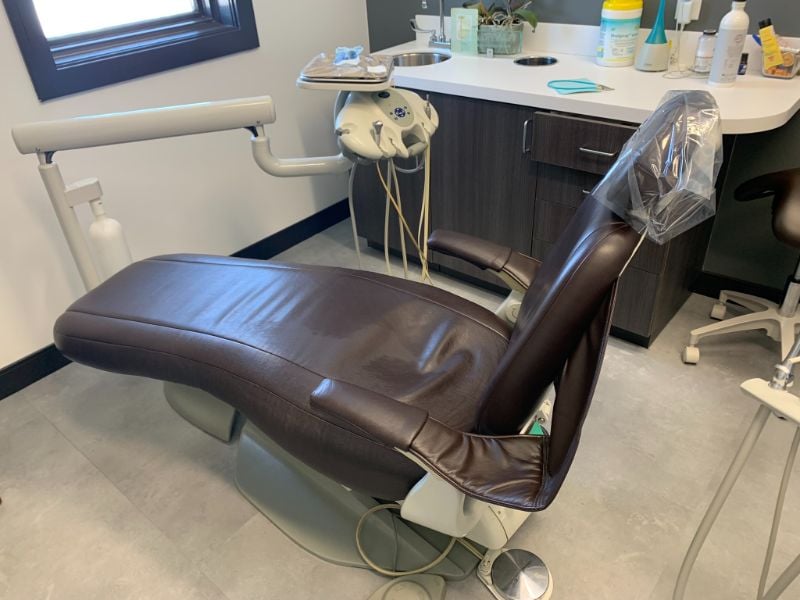
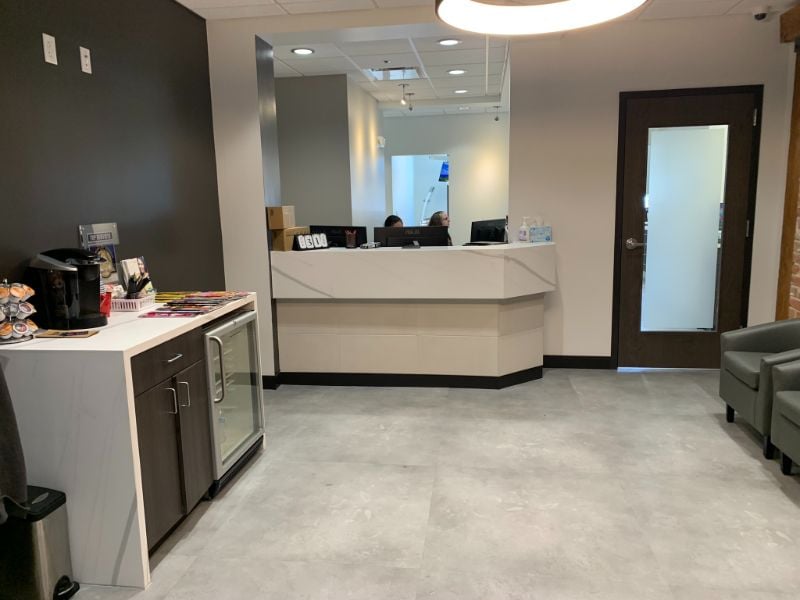
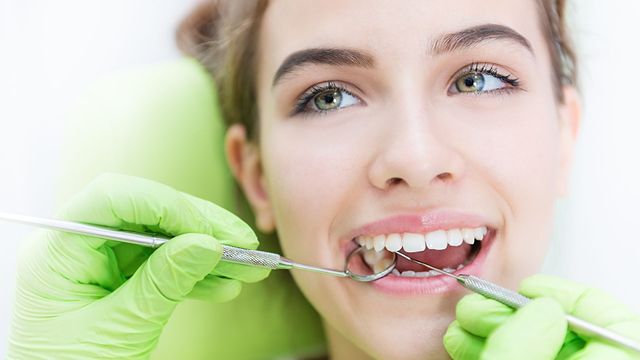
You’ll need to set up a patient appointment at our Fort Collins Dental Office to start the process. While there, our dentist will provide an evaluation of your TMJ and come up with an appropriate treatment plan.
Botox may not be a good fit depending on your health history and current medications you may be taking. For example, pregnant women and women who are breastfeeding are not good candidates for the treatment.
Botox Injections
If the treatment plan involves Botox, the procedure goes quickly. You’ll typically be in the office for no longer than an hour as you receive your Botox injections.
The quantity and location of injections will vary by patient. Usually, there is an injection in the temporalis (a muscle in the temporomandibular joint), the frontalis muscle (forehead), and the masseter muscle in your lower jaw that supports chewing.
You’ll be able to safely drive yourself home after the procedure.
TMJ Injections Aftercare
After the TMJ injections, you’ll want to avoid strenuous activities for a day or two. You will also want to avoid touching or rubbing the injection site. This will help ensure no bruising and prevent the Botox from traveling from the treatment area to adjacent muscles that weren’t the target of the treatment.
Botox for TMJ Frequently Asked Questions
How Long Does it Take for TMJ Botox to Work?
The Botox will start to relieve some symptoms almost immediately – typically 24 to 48 hours. The desired results of maximum pain relief will be experienced within about a week or so.
How Long do TMJ Injections Last?
The positive results from a TMJ injection will last up to 3 months. After that, the effectiveness of Botox for pain relief will wane.
Do TMJ Injections Hurt?
The injection can be compared to a mild pinprick.
If you have dental anxiety, we have sedation dentistry options to keep you relaxed through all of your procedures – including TMJ injections, like Nitrous Oxide.
What are the Risks of Not Getting Treated for My TMJ?
There are many treatments available for TMJ – including Botox injections. Coming in for a dental exam at our office will reveal which treatment makes the most sense for you.
Not getting treatment for your chronic TMJ can cause serious dental issues down the road.
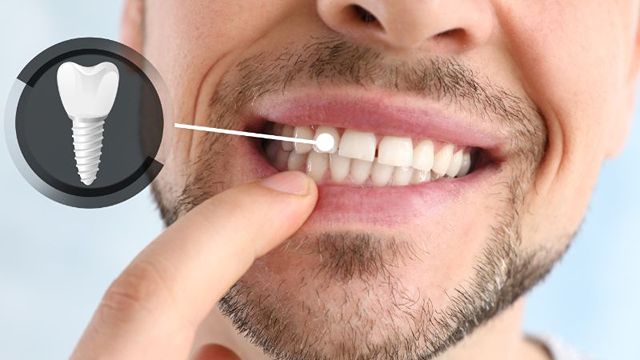
The teeth grinding that is associated with TMJ can lead to more serious dental problems. Grinding wears down and weakens teeth. This can lead to tooth infections and potentially tooth loss. Tooth loss leads to more complex dental problems that require more invasive treatments – like dental implants or root canals.
Is TMJ for Botox Covered By Insurance?
Unfortunately, most dental insurance providers will not cover Botox for TMJ procedures. It doesn’t hurt to double-check though, and we’re happy to do that. We are insurance experts and you can call us with your plan information – we’ll let you know for sure whether your plan covers this treatment.
How Much Do Botox Injections for TMJ Cost?
The cost will vary by the needs of each patient. Unfortunately, it isn’t possible for us to determine your cost without you first coming in for an exam with our dentist.
We do offer extremely flexible payment options – cash, credit, and financing through CareCredit. We also have an in-house dental plan which can help cover the cost of many dental services.